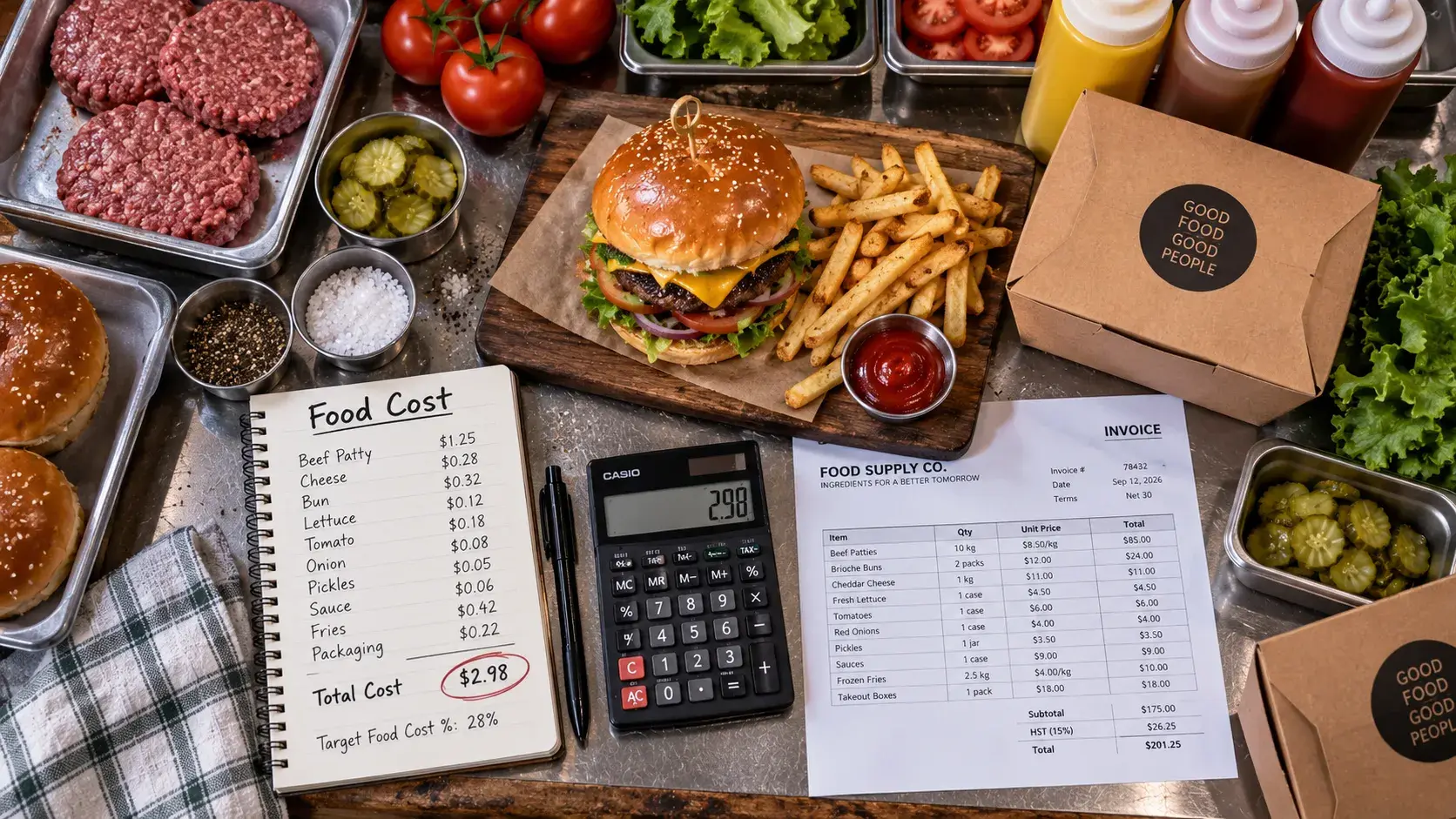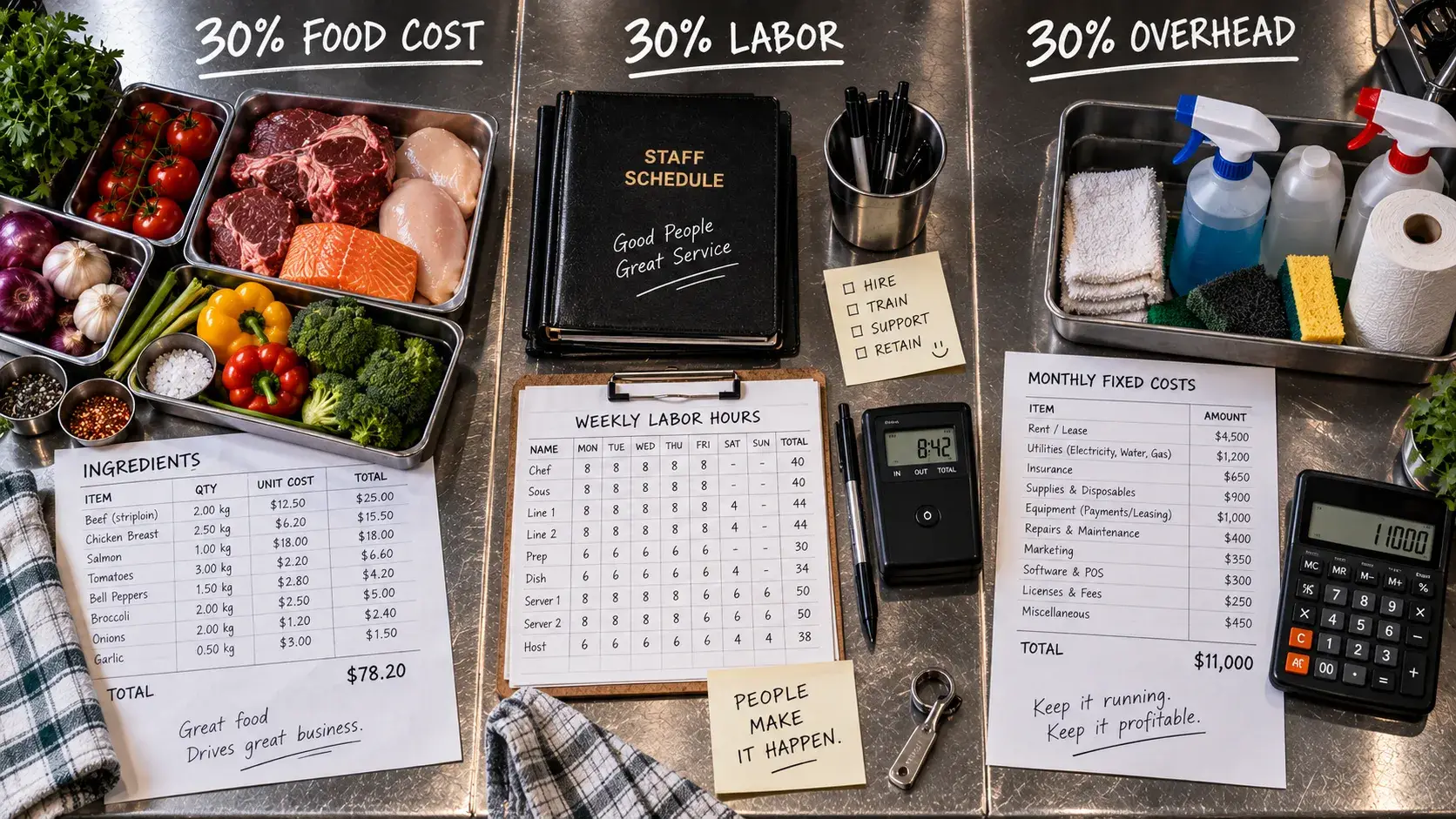
Your menu isn't a collection of recipes; it’s a portfolio of financial assets, and most operators are managing those assets based on a "gut feeling" that is costing them thousands every month. When you guess at your food costs, you aren't just losing money—you're abdicating control over the only thing that keeps your doors open.
Key Takeaways
Specificity is Safety: Costing to the gram or ounce is the only way to expose invisible waste.
Theoretical vs. Actual: The gap between what your spreadsheet says and what your trash can says is where your profit lives.
Dynamic Pricing: With erratic supply chains, food costing is a weekly discipline, not a quarterly project.
The Fatal Flaw: Costing by Memory
Most operators "know" their steak costs roughly $9.00. But that $9.00 was calculated six months ago before the last three delivery surcharges and a 12% hike in plastic protein packaging. If you aren't updating your costs against live invoices, your margins are a work of fiction.
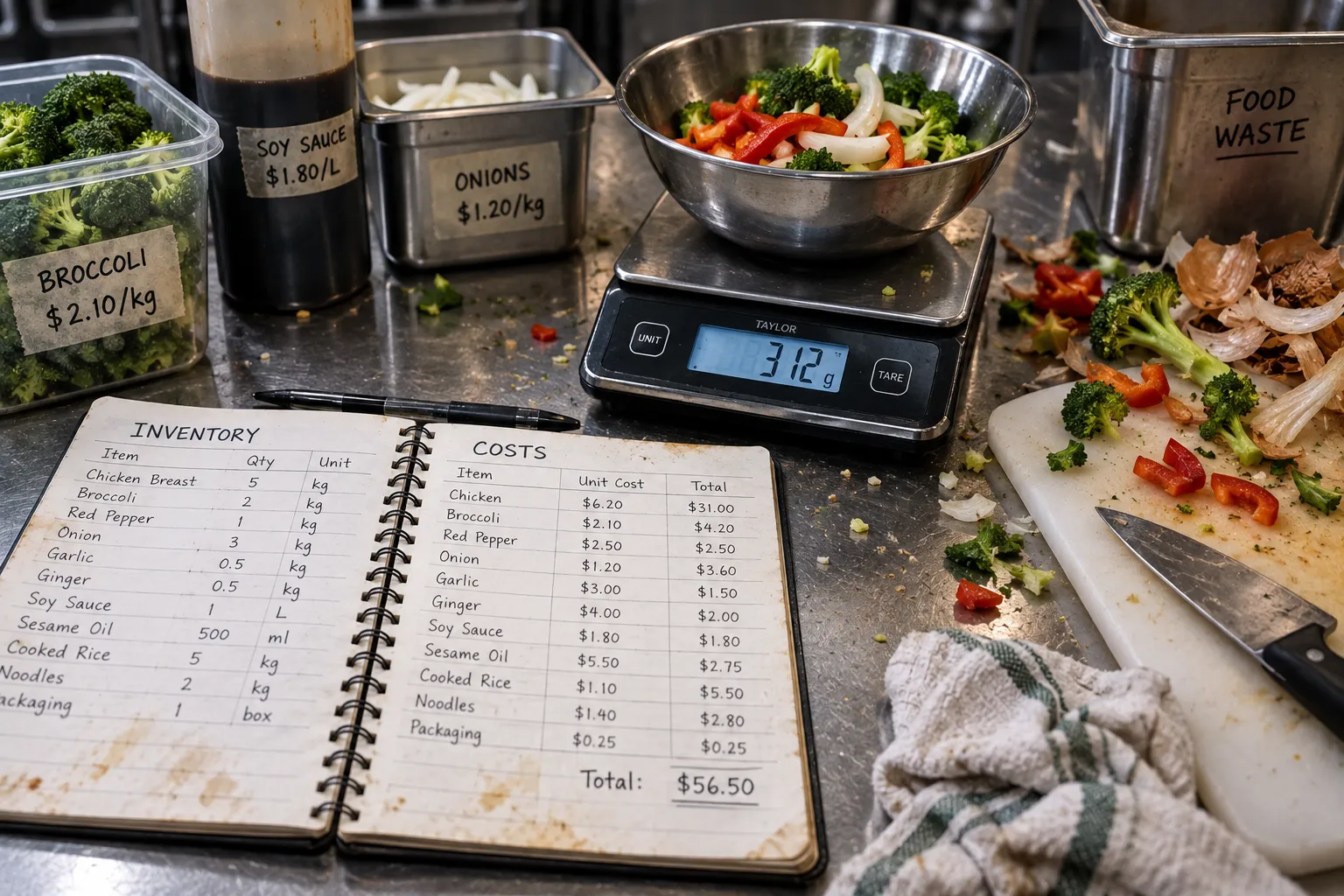
Food costing is the process of breaking down every single component of a dish—down to the garnish and the cooking oil—to find the true yield. If you buy a case of bell peppers, you aren't paying for the seeds and stems, yet many chefs forget to calculate the "Yield Percentage." You're paying for the usable product, and that is where the real cost lies.
The Anatomy of a Recipe Cost Card
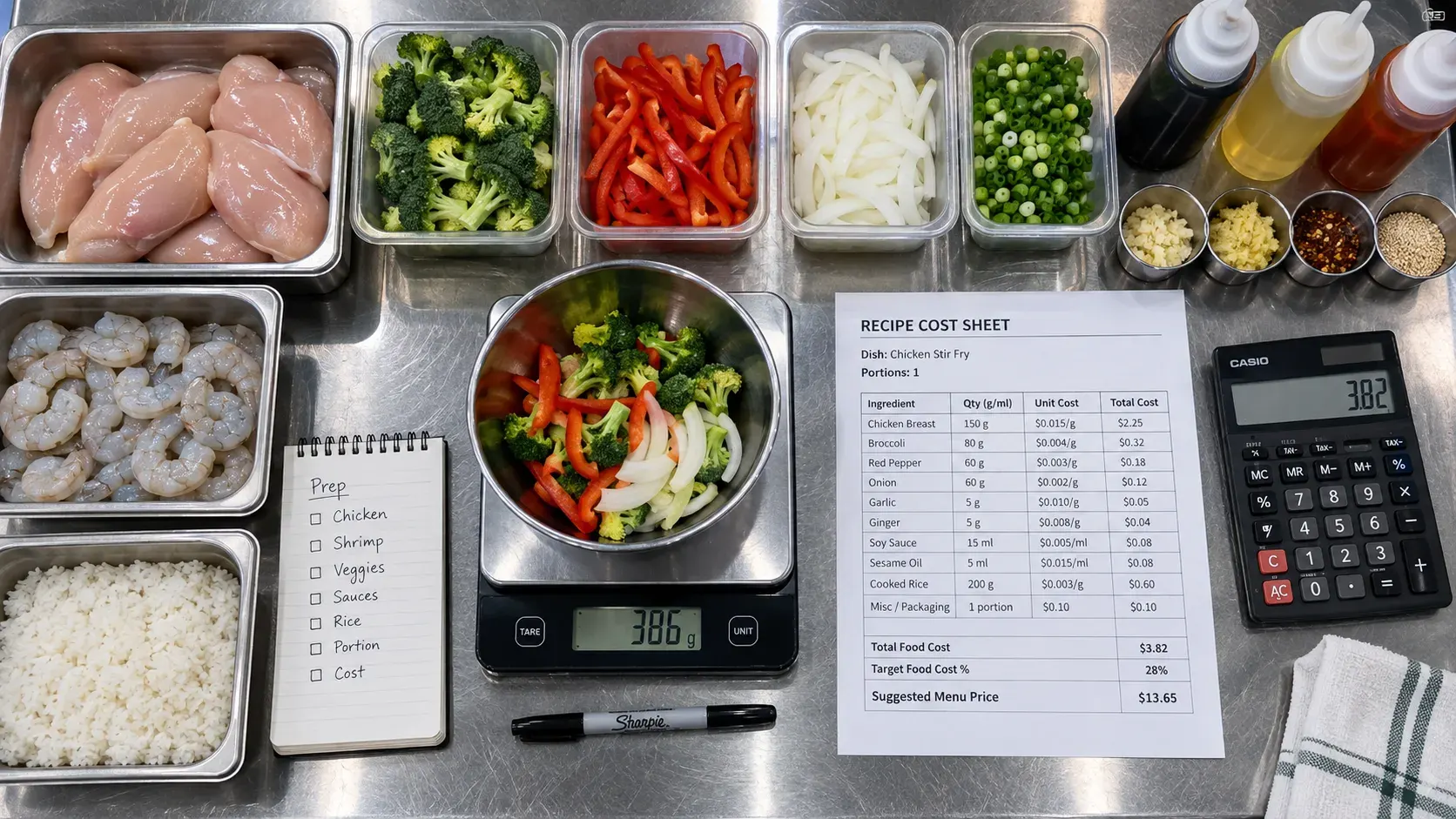
A proper cost card doesn't just list ingredients; it accounts for the reality of the kitchen. You need to identify three specific numbers for every item on your menu:
1. The Unit Cost
What does it cost you to get that product in the door? This includes shipping, taxes, and any processing fees. If you buy a 50lb bag of flour, you need the cost per ounce.
2. The Yield Factor
If you buy a whole salmon, you lose 30-40% of its weight in bones and trim. If your food cost sheet uses the "as purchased" price rather than the "edible portion" price, your margins are dead on arrival. You must factor in the "invisible" loss of prep.
3. The Q-Factor
Don't forget the bread and butter, the salt, the frying oil, and the side of ranch. The "Q-Factor" is a flat cost added to every plate to cover the small, unmeasured essentials that add up to a massive inventory hole by the end of the month.
"The difference between a 28% food cost and a 34% food cost isn't usually bad cooking; it's bad math and unmonitored waste."
The Gap: Theoretical vs. Actual
Theoretical cost is what should have happened based on your recipes and sales. Actual cost is what really happened based on your inventory counts. If there is a 3% variance, that’s your "leakage"—it's theft, over-portioning, or things hitting the floor. Without accurate costing, you can't even tell you have a leak, let alone where it is.
Frequently Asked Questions
How often should I update my food cost cards?
Ideally, your systems should update them automatically as invoices are scanned. Manually, you should review your top 10 highest-volume items every week and the full menu every quarter.
Should I include labor in my food costing?
No. Keep food cost (COGS) and labor separate on your P&L. Mixing them makes it harder to identify if a margin issue is a kitchen efficiency problem or a vendor pricing problem.
What is a "good" food cost percentage?
There is no magic number. A steakhouse might run at 35% with low labor, while a pasta concept runs at 20% with high labor. Focus on your Prime Cost (Labor + COGS) staying below 60%.
Stop Guessing, Start Operating
Precision is an overhead cost that pays for itself. If you are tired of looking at your bank account at the end of the month and wondering where the cash went despite a busy dining room, it's time to get surgical with your numbers.
At MiseUp, we don't believe in "vibes." We believe in systems that protect your bottom line. If you're ready to move from survival mode to scale, let’s get your kitchen's math right.