Most restaurant owners spend their nights staring at bank balances, wondering why a packed dining room still results in a shrinking bank account. The industry is notorious for "leaking" cash through invisible holes in the schedule and the walk-in fridge, but the real culprit is usually the lack of a rigid financial guardrail.
Key Takeaways
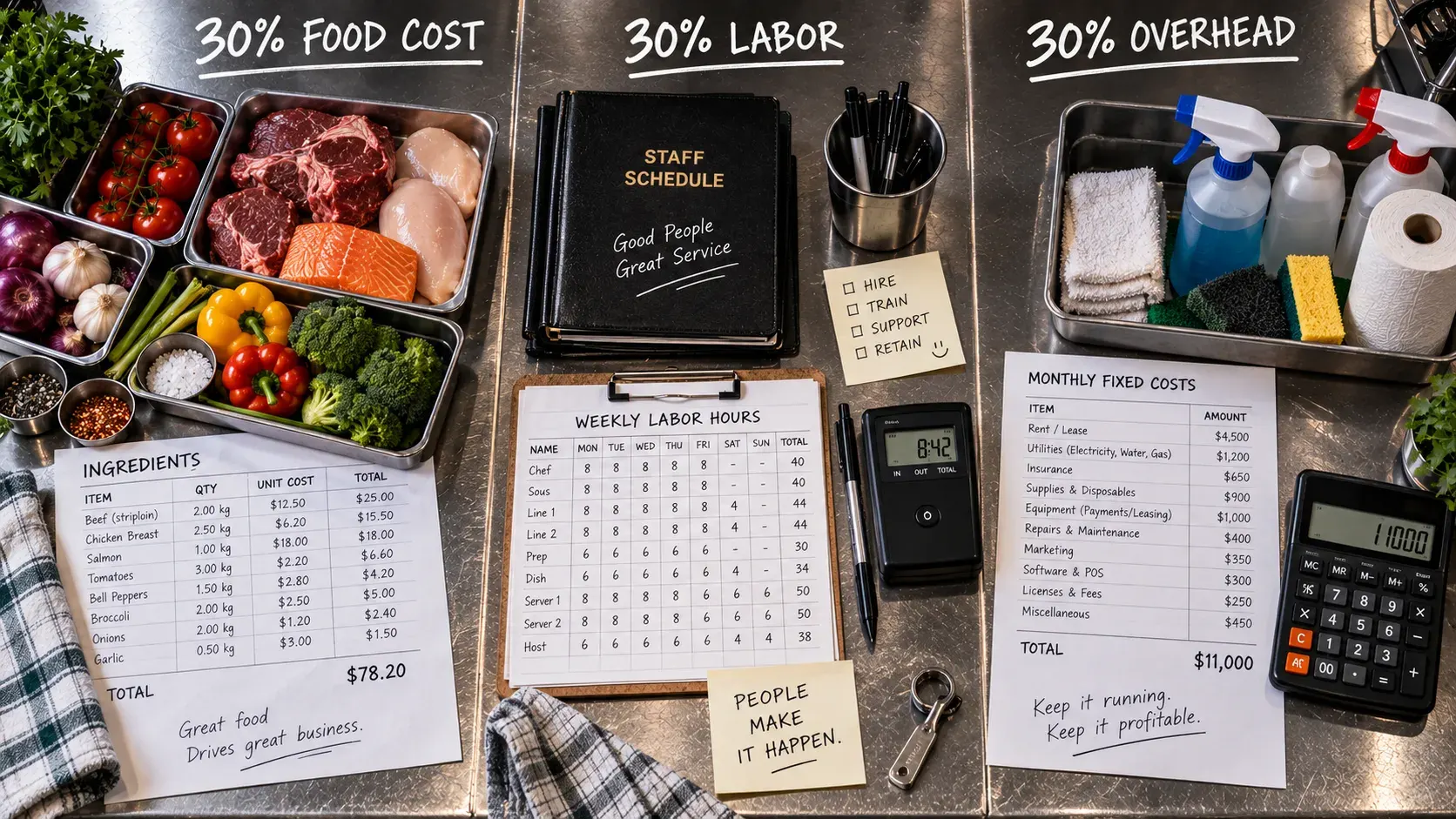
The 30/30/30 rule is a survival framework: 30% Prime Cost (COGS), 30% Labor, and 30% Overhead.
Hitting these targets leaves a 10% net profit—the difference between thriving and closing.
Labor is the most volatile variable; controlling it requires proactive scheduling, not reactive cutting.
Consistency in small wins—waste tracking and inventory—is what makes the math work.
The Anatomy of the 30/30/30 Rule
In a world of fluctuating egg prices and rising minimum wages, you need a North Star. The 30/30/30 rule isn't a suggestion; it’s the mathematical ceiling for your expenses. If you exceed these markers, you aren't running a business—you're funding a hobby.
1. Cost of Goods Sold (COGS): The 30% Target
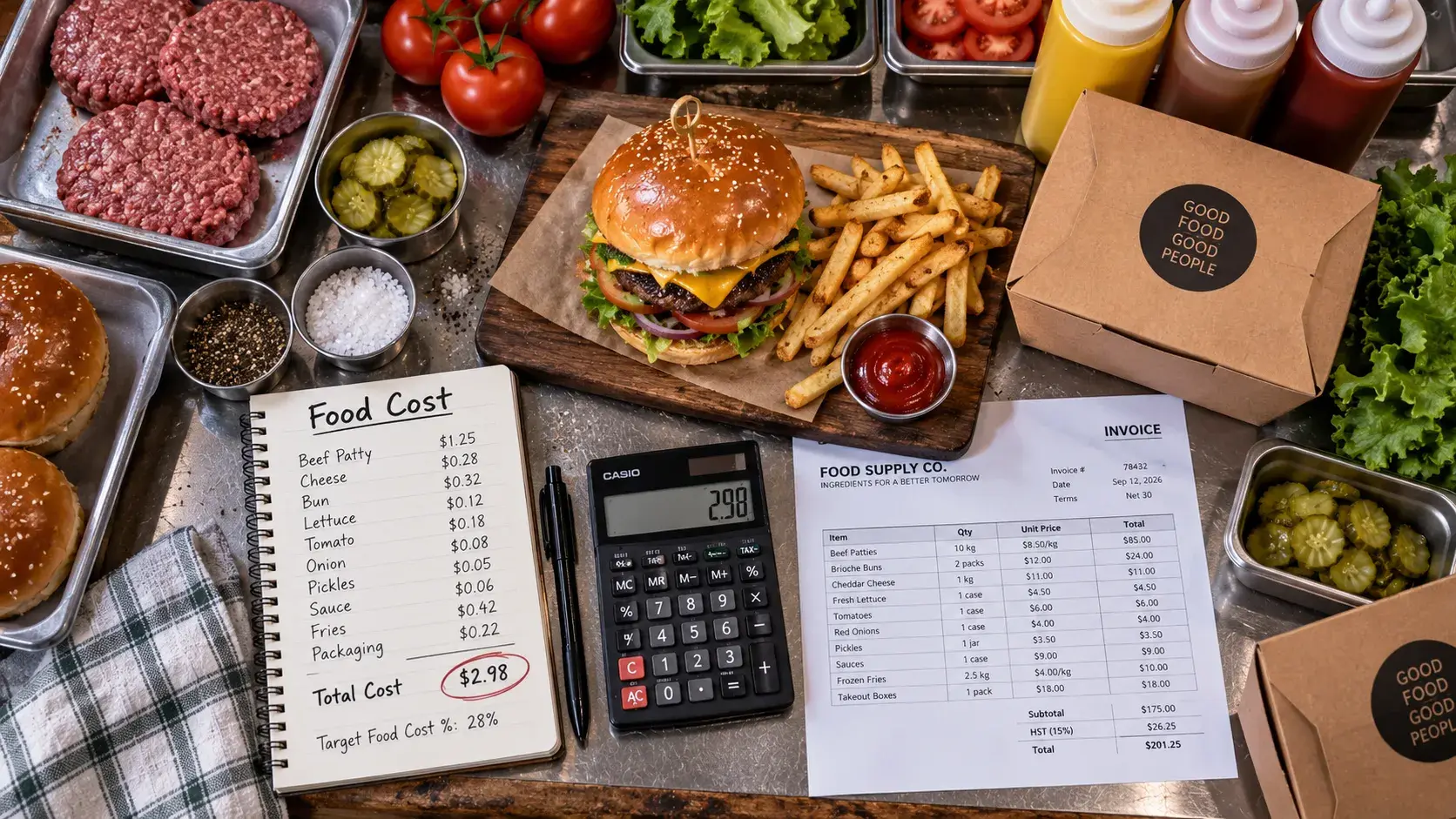
Your COGS includes everything on the plate and in the glass. If your food cost is sitting at 35% because you "want the best quality," you are effectively handing 5% of your revenue to your vendors. High-performing kitchens obsess over plate costs and waste logs.
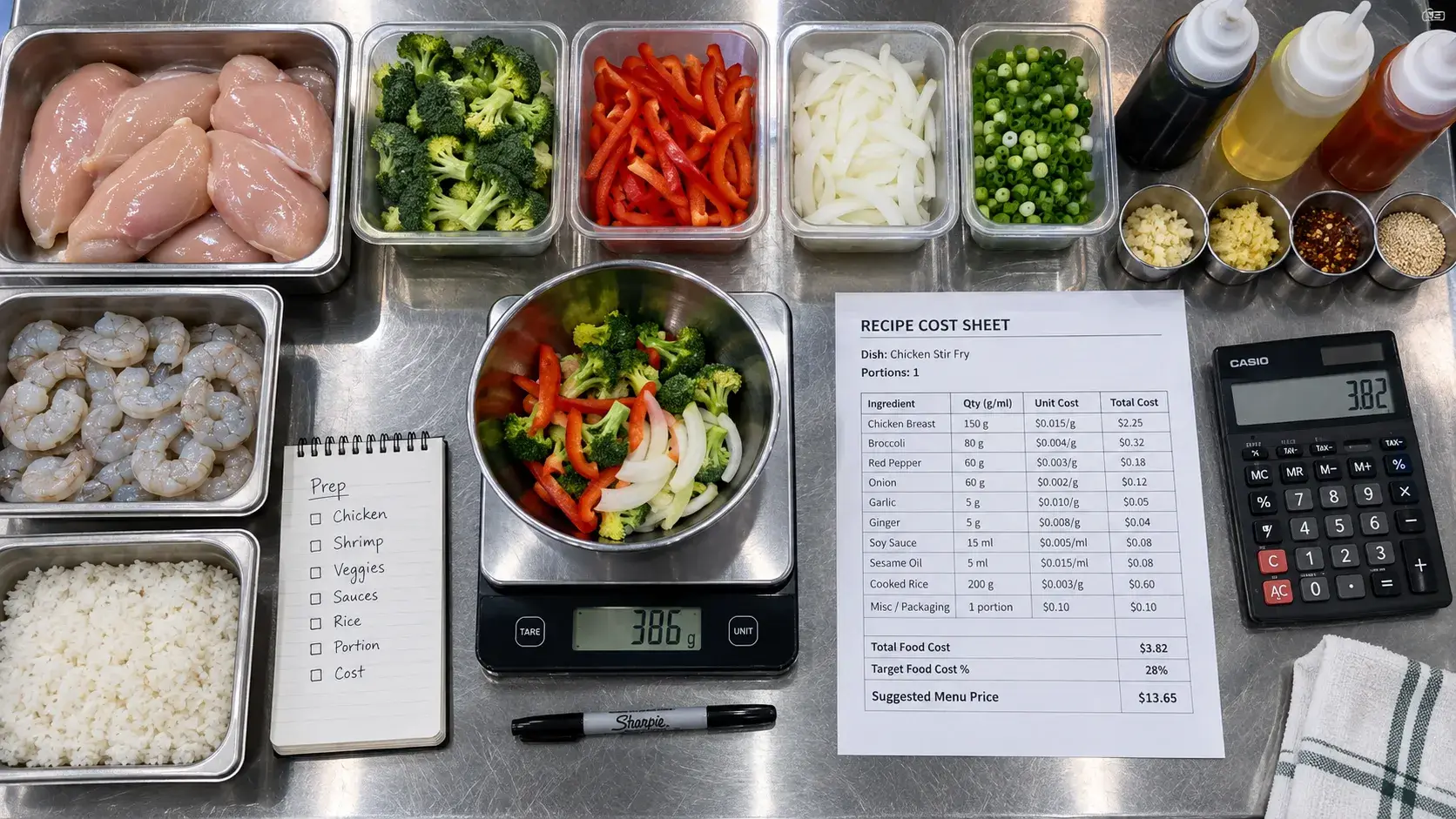
To hit 30%, you must stop "guesstimating" portions. Every ounce of protein and every squirt of sauce needs a price tag. If the math doesn't work, you change the recipe or you change the price. There is no middle ground.
2. Labor Costs: The 30% Barrier
Labor is your most controllable expense, yet it’s where most operators fail. This 30% includes front-of-house, back-of-house, and management salaries (including your own). When labor creeps to 38%, it’s usually because of "ghost hours"—staff sticking around after the rush "just in case."

3. Overhead and Occupancy: The Remaining 30%
This is the bucket for everything else: rent, utilities, insurance, marketing, and the inevitable repair of the ice machine. While some of these are fixed, many—like your electric bill and chemical spend—are variable. If your rent alone is 15% of your revenue, your model is broken from the start. Ideally, occupancy should stay under 10%.
"The 10% remaining isn't 'extra' money; it's your lifeline for the next equipment failure, slow season, or expansion."
What Happens to the Last 10%?
That final 10% is your net profit. In the restaurant world, a 10% margin is considered healthy, yet many owners settle for 2% or 3%, leaving them one bad week away from insolvency. When you master the 30/30/30 rule, that 10% becomes a predictable outcome rather than a lucky coincidence.
Common Pitfalls in the Framework
The biggest mistake is viewing these numbers once a month when your accountant sends the P&L. By then, the damage is thirty days old. You must track your "Prime Cost" (COGS + Labor) weekly. If that combined number exceeds 60%, you need to cut hours or tighten inventory immediately—not next month.
FAQ: Mastering Restaurant Margins
Can I really run 30% labor with current wage increases?
Yes, but it requires higher efficiency. You may need to cross-train staff or simplify your menu to reduce prep time. If your labor is high, your prices likely haven't kept up with the market.
What if my food cost is naturally higher, like at a steakhouse?
If your COGS is 35-40%, your labor must be significantly lower to compensate. The "Prime Cost" (COGS + Labor) should never exceed 60% total regardless of the individual breakdown.
How do I lower overhead without hurting the guest experience?
Negotiate with vendors, audit your recurring subscriptions, and implement energy-saving habits in the kitchen. Small leaks—like a dripping faucet or an unmaintained walk-in—add up to thousands over a year.
Stop Guessing, Start Operating
The 30/30/30 rule is the difference between an operator who controls their business and one who is controlled by it. If you’re tired of the "feast or famine" cycle, it’s time to look at the hard data. At MiseUp, we help operators move beyond the chaos of gut-feeling management into the clarity of high-performance systems. Let's get your margins where they belong.