Most operators think a lead magnet has to be a loss leader. They discount their prime rib or run happy hour specials that bleed the labor budget just to get bodies in seats. This is a defensive move that signals desperation rather than value. There is a more aggressive way to play the game by using high margin ego items as magnets for your brand.
Key Takeaways:
Lead magnets do not have to be cheap. High margin items can drive traffic if they tap into customer psychology.
The "Ego Item" creates a perceived value that allows for premium pricing and healthy margins.
Menu placement and staff narrative are more important than the actual food cost percentage.
Visual dominance on the menu is the difference between a hidden gem and a profit driver.
The Fallacy of the Loss Leader
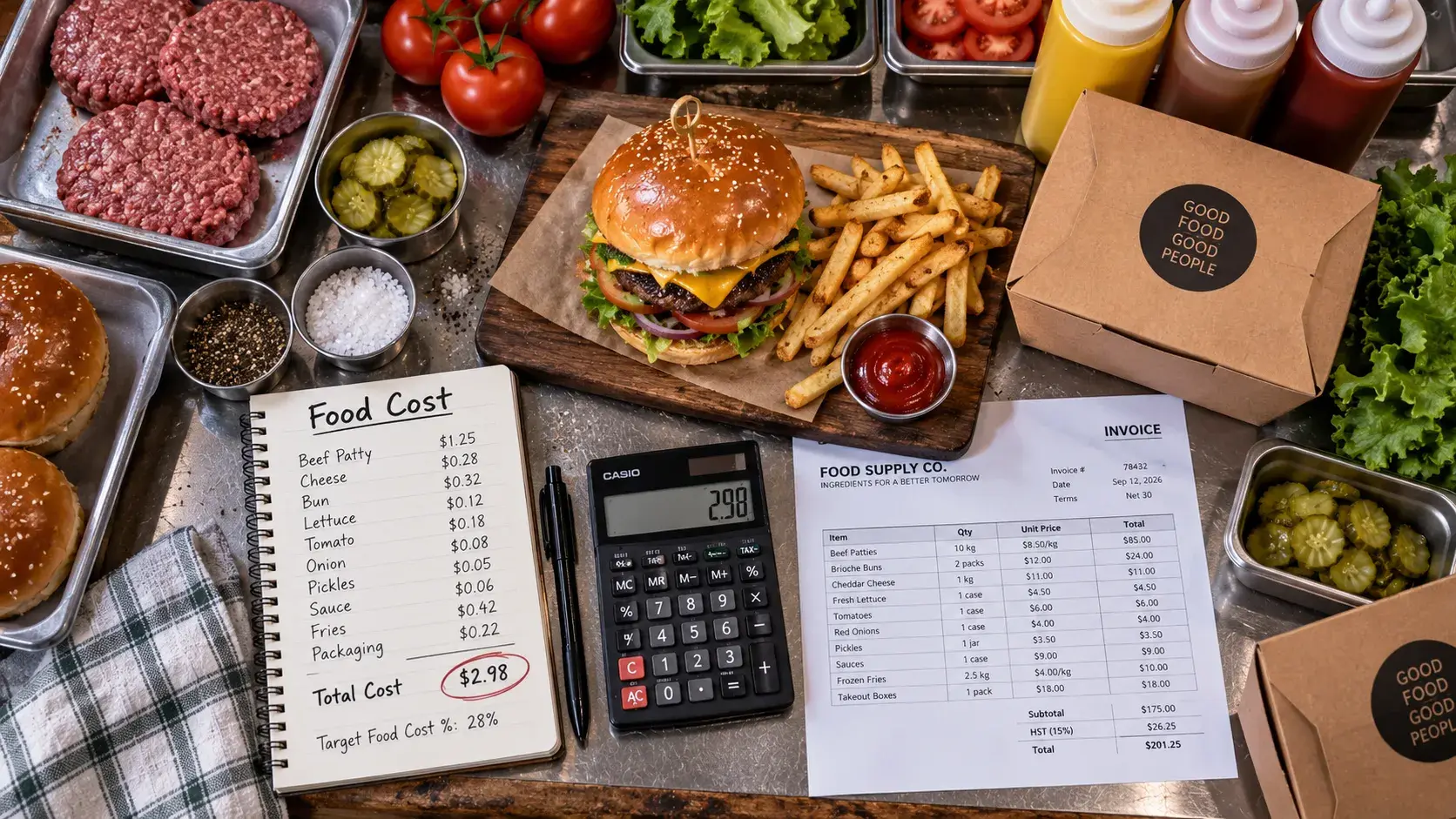
When you price a burger at cost to win the local lunch crowd, you are playing a volume game you probably cannot win. You are banking on the hope that they buy a high margin beer or an appetizer. You are putting your profitability in the hands of the customer. It is a reactive strategy.
Engineering a high margin magnet is a proactive strategy. These are items that look expensive, feel indulgent, and satisfy the customer's ego, yet they carry a food cost that makes your accountant smile. Think of the oversized seafood tower or the gold leaf dessert. These are not just food. They are social currency.
The Psychology of the Ego Item
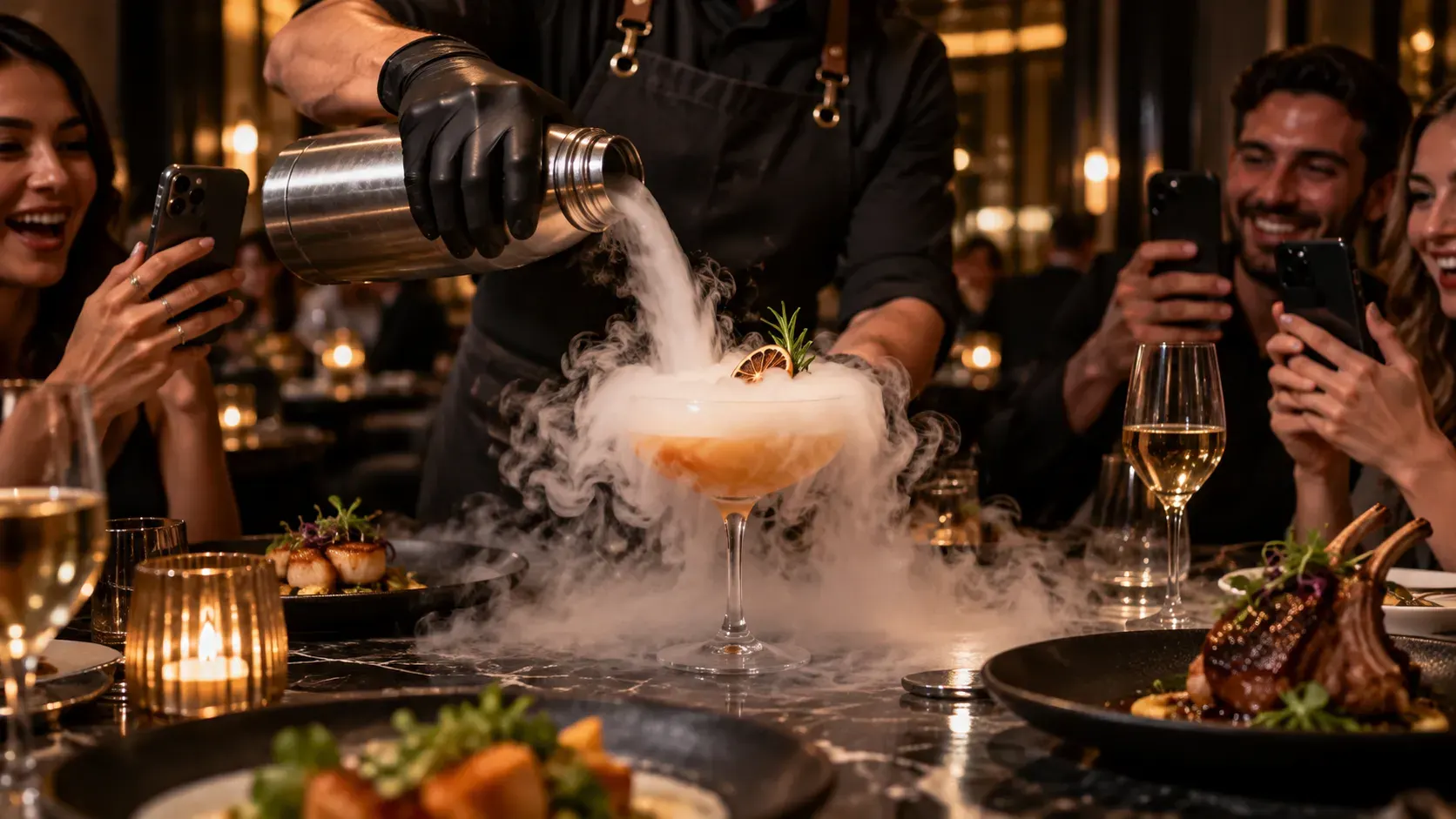
People do not just go to restaurants to eat. They go to be seen and to feel a certain way about themselves. An ego item is designed specifically to trigger this. It is the item that makes the rest of the table look when it is carried through the dining room. It is the dish that people feel compelled to photograph before they take a bite.
When a customer orders a premium, high margin item, they are justifying their status. If you can make that item the "must have" experience of your brand, you are no longer competing on price. You are competing on identity. This is how you attract high value guests without sacrificing your bottom line.
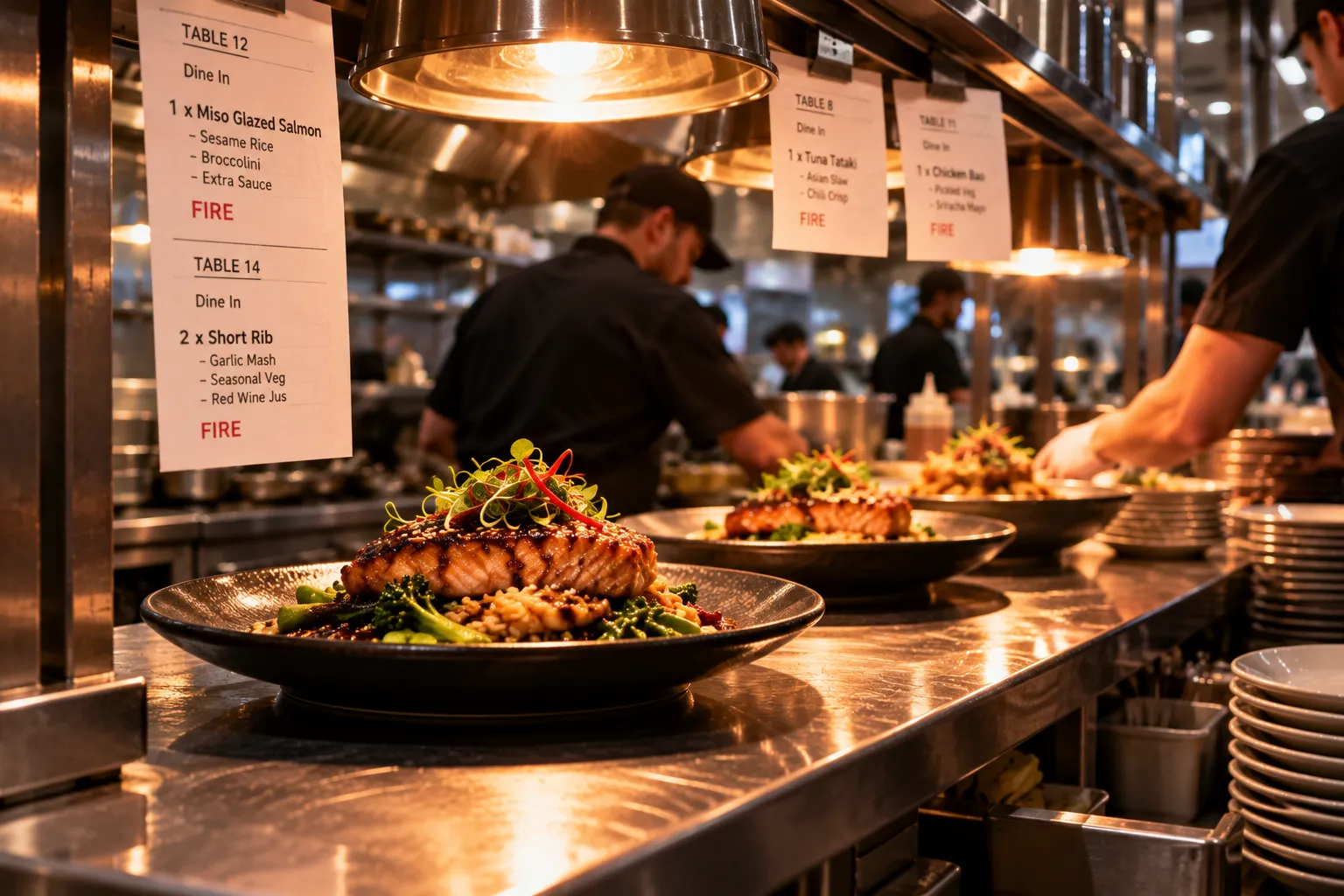
Engineering the Margin
To make this work, you need ingredients that offer high perceived value but low actual cost. Truffle oil, specific plating techniques, and table side service are classic examples. It is about the theater of the meal. A $25 cocktail that uses liquid nitrogen and a custom glass costs pennies more to produce than a standard drink but it commands double the price.
Focus on the labor of the presentation rather than the cost of the protein. A beautifully prepared vegetable forward dish can often act as an ego item with better margins than a steak. It requires a chef who understands aesthetics as much as flavor profiles. This is where the profit lives.
Menu Placement for Maximum Friction
Visibility is everything. If your high margin magnet is buried in the middle of a list, it will fail. It needs to be the anchor of its section. Use white space on your menu to draw the eye. Use a different font or a subtle border to create a "focal point" that forces the guest to acknowledge the item before they look at anything else.
Training the Narrative
Your servers are your best marketers. If they do not believe in the ego item, they will not sell it. They need to understand that selling this item is not about "upselling." It is about delivering the "essential experience" of the restaurant. Give them the script. Give them the story of why this dish matters. When the staff treats an item with reverence, the guests will too.
Frequently Asked Questions
Will my customers feel cheated by high margin items?
Not if the experience matches the price. Value is subjective. If the guest feels that the dish was unique, delicious, and social media worthy, they will see the value regardless of your food cost percentage.
What if the item doesn't sell?
You likely have a visibility problem or a narrative problem. Re examine your menu engineering. Ensure your staff is highlighting the item as the signature experience. If it still fails, your "magnet" might not be as attractive as you think.
Can any restaurant use this strategy?
Yes. Whether you are a dive bar with a "legendary" grilled cheese or a fine dining room with a signature caviar service, the principles remain the same. Tap into the guest's desire for a specific experience and charge accordingly.
Take Control of Your Plate Profits
Stop letting the market dictate your margins. Start engineering items that people want to buy, not just because they are hungry, but because of how it makes them feel. At MiseUp, we help operators look past the prep lists and see the psychological patterns that drive real revenue. It is time to stop being a victim of your food costs and start being an architect of your profit.