You’re likely leaving thousands of dollars on the table because you think your menu is a list of prices, and you’re probably losing thousands more because you think your broadline rep is your friend. It’s time to stop managing on autopilot and start looking at the psychological levers of your P&L.
Key Takeaways
Adding a strategic third size to menu items manipulates the "compromise effect" to drive higher check averages.
Vendor loyalty is often a tax on the unorganized; if you aren't auditing, you're subsidizing their other accounts.
The "Decoy Effect" can move inventory you previously struggled to sell without lowering your margin.
Relationship-based buying must be backed by a "Trust but Verify" data strategy.
The Psychology of the Middle Ground: Sizing for Upsells
Most operators think adding a "Large" size is just about giving people more food. It’s not. It’s about changing the psychological anchor of the "Small." When you only have two sizes, the guest has a binary choice: cheap or expensive. Most will default to cheap to protect their ego from appearing gluttonous or wasteful.
By introducing a third, significantly larger (and higher-priced) size, you trigger the "Compromise Effect." The previous "Large" now becomes the "Medium." Suddenly, that mid-tier price point feels like the sensible, value-driven choice. You haven't changed the product; you've changed the guest's perception of what a 'normal' spend looks like.
"The goal of menu architecture isn't to sell the most expensive item; it's to make the second most expensive item look like a bargain."
The Decoy Effect in Action
If you have a wine you need to move, don't discount it. Place it next to a bottle that is 40% more expensive but only slightly better. Your target bottle becomes the "rational" choice. This works for everything from beer pours to protein add-ons. If your staff is trained to suggest the "Monster Size" first, the "Regular" feels like an easy 'yes'—even if it's priced higher than your competition.
The Vendor Loyalty Trap: Relationship vs. ROI
We’ve all been there. Your rep has been coming in for five years, they brought you a bottle of bourbon at Christmas, and they handle your emergency Friday night "out-of-stock" runs. You feel you owe them. This emotional attachment—this denial of the math—is costing you your prime cost targets.
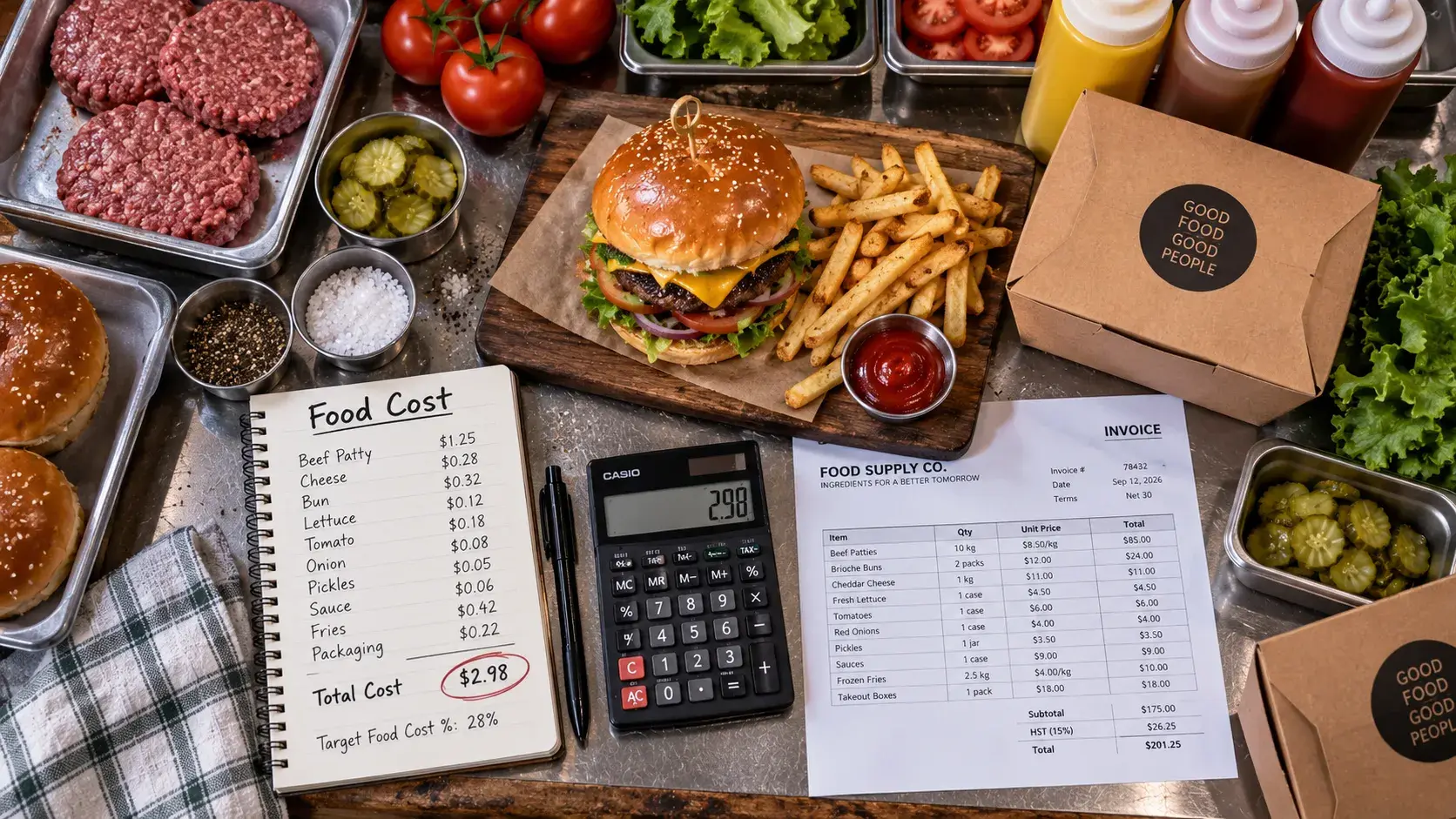
Loyalty in the supply chain is only valuable if it results in priority service and price stability. Often, the opposite happens. The "loyal" customer is the one whose prices creep up by 3% every quarter because the rep knows they won't audit the invoice. They’re busy chasing the new, aggressive account that is shopping every penny.
Auditing Without Burning Bridges
You don't have to be a jerk to be a businessman. A quarterly "market check" is a standard operating procedure, not an insult. If your vendor truly values your loyalty, they should be able to match or come within a hair’s breadth of a competitor's quote. If they can't, you aren't a partner; you're a profit center for their commission check.
The "Hidden" Surcharge: Watch for split-case fees and fuel surcharges that "loyal" reps slip in when they think you aren't looking.
The Value of Service: If a vendor is 2% higher but never misses a delivery and handles credits instantly, that 2% is "insurance." If they’re 2% higher and still screw up the Tuesday drop, fire them.
FAQs
Should I always have three sizes for every menu item?
No. Overcomplicating a menu leads to "choice paralysis." Use three sizes only on high-margin, high-volume items like beverages, sides, or specific starches where the variance in food cost is minimal compared to the price jump.
How often should I bid out my broadliner?
At a minimum, every six months. You don't necessarily have to move your business, but you need to know what the "street price" is. It keeps your current rep honest and ensures you're aware of new products entering the market.
Stop Guessing, Start Operating
Running a profitable restaurant requires a cold, hard look at the behaviors we take for granted. Whether it's the way a guest reads your menu or the way a rep writes your invoice, there is a psychological game being played. At MiseUp, we help you stop being the player and start being the house. If your margins are thinning and your "loyal" partners aren't helping you fix it, it’s time to change the way you move. Let’s get your operations dialed in.