Most independent restaurant owners share a common belief. They think that if their food cost sits at 30 percent, the business is healthy. In reality, that number is often a lie told by a spreadsheet that doesn't account for how your kitchen actually functions.
The Theoretical vs. Actual Trap
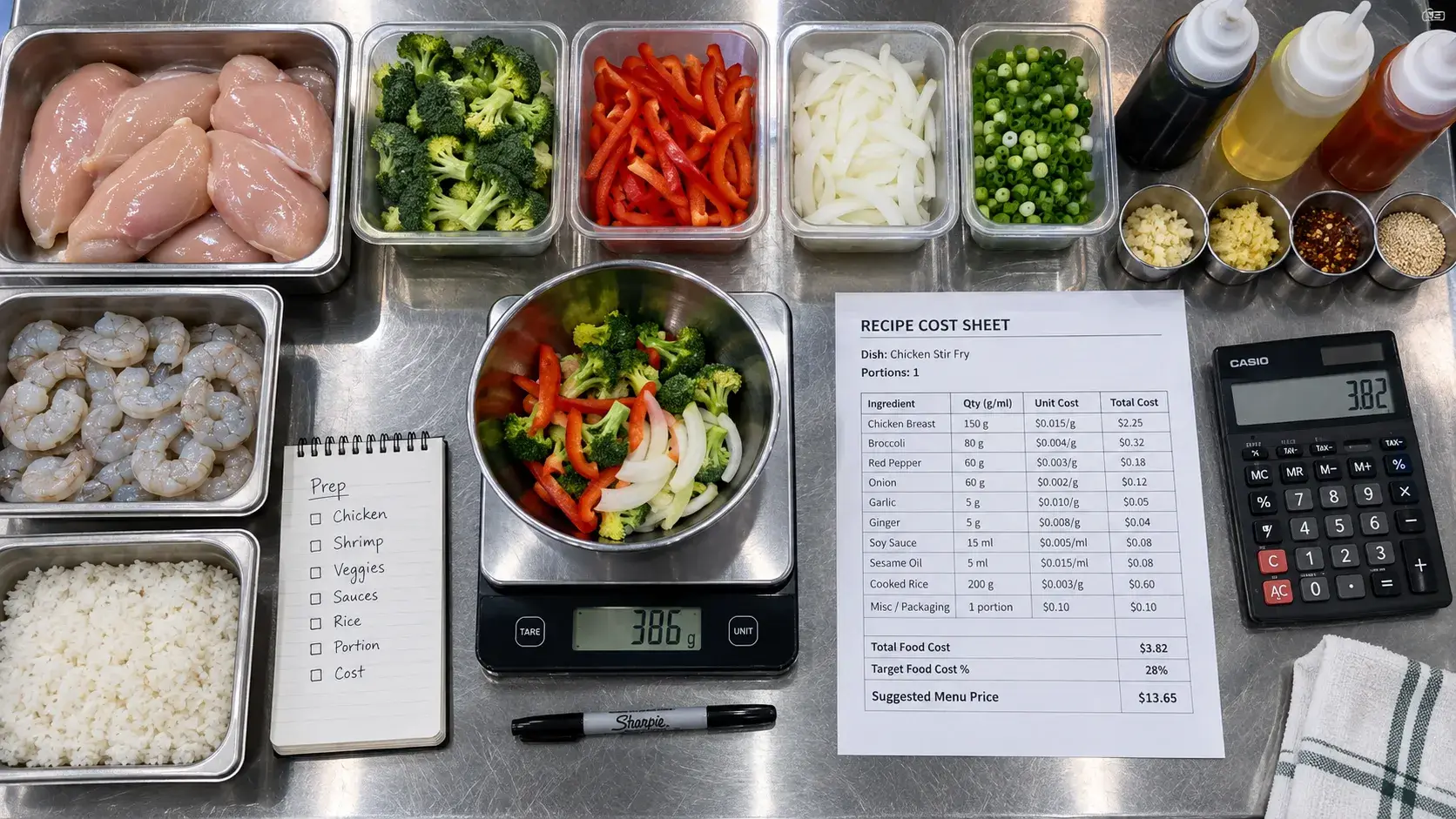
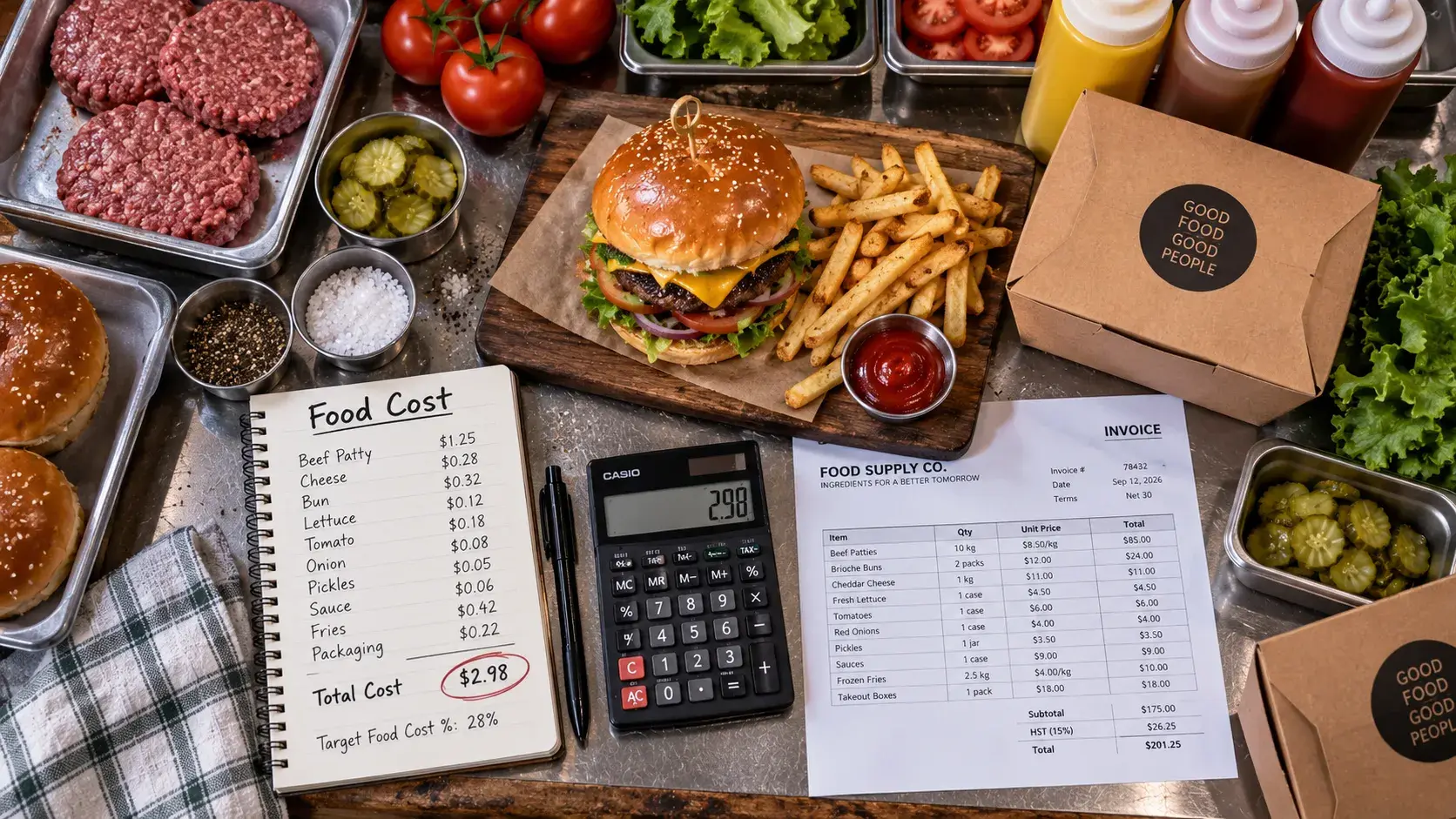
There is a massive psychological gap between what your recipe cards say and what your bank account reflects. Theoretical food cost is the math you do in a vacuum. It assumes every gram of protein is sold, no sauce is spilled, and every garnish is perfectly portioned. Actual food cost is the reality of your trash can, your prep table, and your guest's takeout bag.
Key Takeaways
30% food cost is a theoretical starting point, not a guaranteed profit margin.
Takeout packaging can add up to 6% to your cost per plate without changing a single ingredient.
Yield loss and portion creep are the silent killers of "healthy" numbers.
Blended food cost is the only metric that matters for your bottom line.
The Hidden Tax of Takeout Packaging
Let's look at a common scenario. You have a staple chicken dish with a plate cost of $5.78, sold for $19. That is a 30.4% food cost. On paper, you are winning. But if 80% of your orders are takeout, you aren't just selling chicken. You are selling a mini hardware store of plastic and paper.
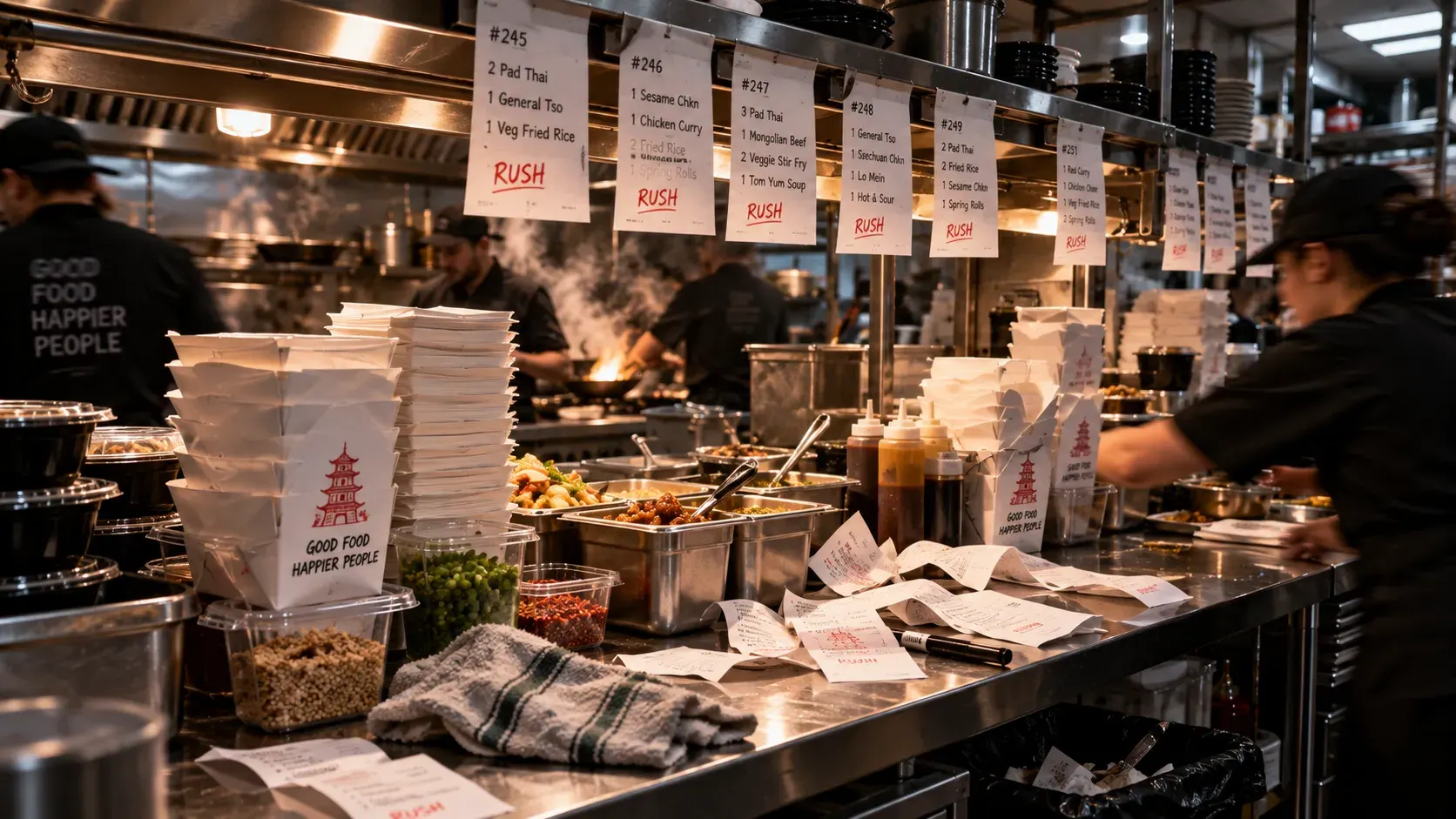
A rice container, a chicken container, two sauce cups, a bag, and utensils can easily add $1.09 to that order. Suddenly, your $5.78 cost becomes $6.87. Your margin jumps from 30.4% to 36.2%. If you aren't calculating your "blended" cost based on how people actually eat your food, you are hemorrhaging cash while celebrating a theoretical victory.
Why 25% is the New 30%
The 30% benchmark was established in an era of lower overhead and less complexity. Today, you face vendor price volatility and rising labor costs. If you target 30% on your menu, human error and waste will naturally push you toward 34%. This is why the smartest operators aim for 25% on their core items. This 5% cushion isn't greed. It is a defense mechanism against the reality of kitchen operations.
The difference between 30% and 35% on a high volume item isn't just a rounding error. It is the difference between breathing room and constant financial pressure.
Intentional Strategy vs. Accidental Erosion
Sometimes, a 35% food cost is perfectly fine. If a dish drives massive foot traffic or encourages guests to buy high margin starters and drinks, it serves a purpose. The danger isn't high food cost. The danger is a high food cost that you believe is low. Strategic loss leaders work. Accidental margin erosion kills businesses.
The 24-Hour Food Cost Audit
To see the truth, you need to run a simple audit tomorrow morning. Pick your top three sellers and do the following:
Weigh your proteins to check for portion creep.
Add the cost of every single piece of packaging.
Identify the percentage of takeout vs. dine in for those items.
Calculate the blended cost.
Frequently Asked Questions
How often should I update my recipe costs?
Ideally, you should review your high volume items monthly. In a volatile market, vendor prices can shift 10 percent in a week. If you wait six months to update your math, you are operating on outdated assumptions.
Should I charge a packaging fee for takeout?
It is an option, but it can alienate guests. A more effective strategy is to bake the packaging cost into the base menu price or adjust the portion size for takeout to balance the margin. Use the blended cost to find a middle ground that keeps you profitable across all channels.
Take Control of Your Margins with MiseUp
Staying on top of these numbers manually is a full time job that most operators don't have time for. MiseUp was built to provide this visibility automatically. We bridge the gap between your invoices and your sales, showing you exactly where your margins are eroding in real time. Stop guessing at your health and start operating with precision.