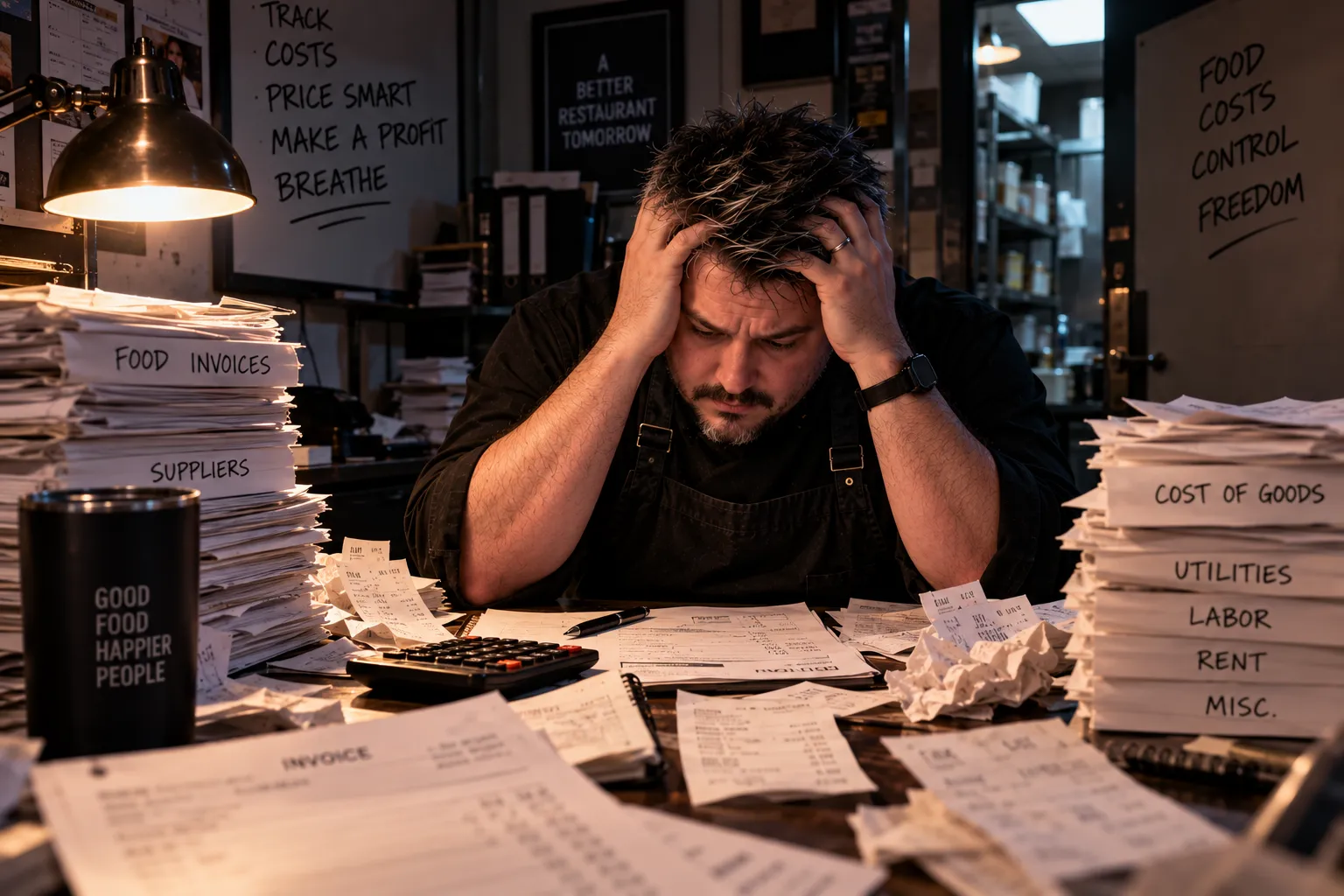
Most restaurant owners treat food costing like a chore they can ignore until the bank account looks thin. They avoid it because the math feels heavy and the process feels endless. This avoidance creates a specific type of mental fatigue where every pricing decision feels like a blindfolded guess rather than a strategic move.
Key Takeaways
Standardized formulas remove the emotional weight of pricing decisions.
Manual costing creates a psychological barrier that leads to profit leaks.
Consistent tracking transforms food cost from a stressor into a manageable metric.
Profitability is found in the decimals, not just the whole numbers.
The High Cost of Mental Resistance
There is a specific kind of anxiety that occurs when a vendor raises the price of butter by twenty percent. If you do not have a standardized food costing formula, you do not know if you should panic or stay the course. You end up making decisions based on fear or intuition, both of which are notoriously bad at protecting your bottom line.
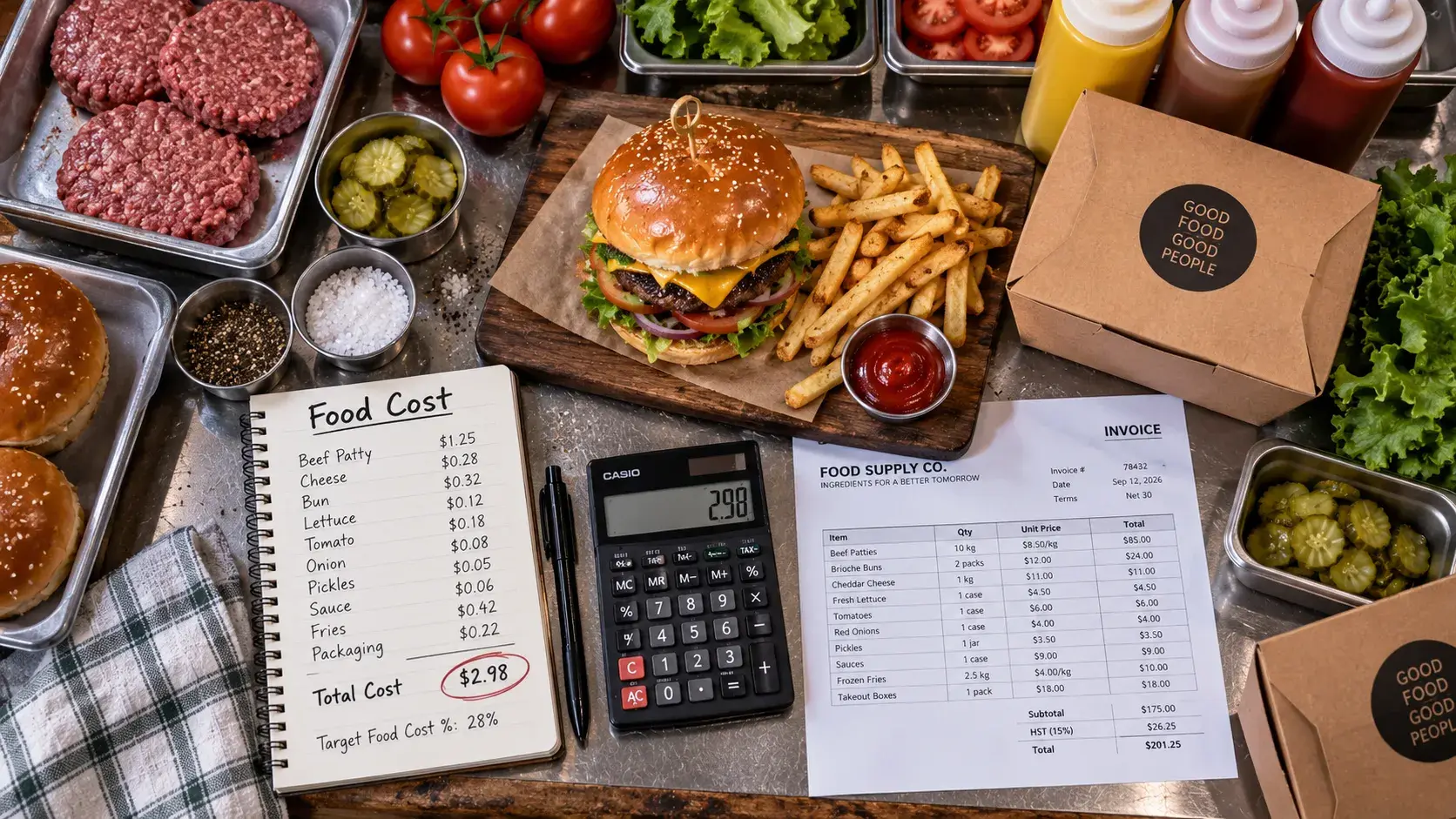
Operators often feel overwhelmed because they view food costing as a monumental task that must be done perfectly all at once. In reality, the lack of a system is what causes the overwhelm. When you do not have a clear method for calculating the cost of goods sold, you are forced to carry all that data in your head. That is a recipe for burnout.
Standardizing the Formula
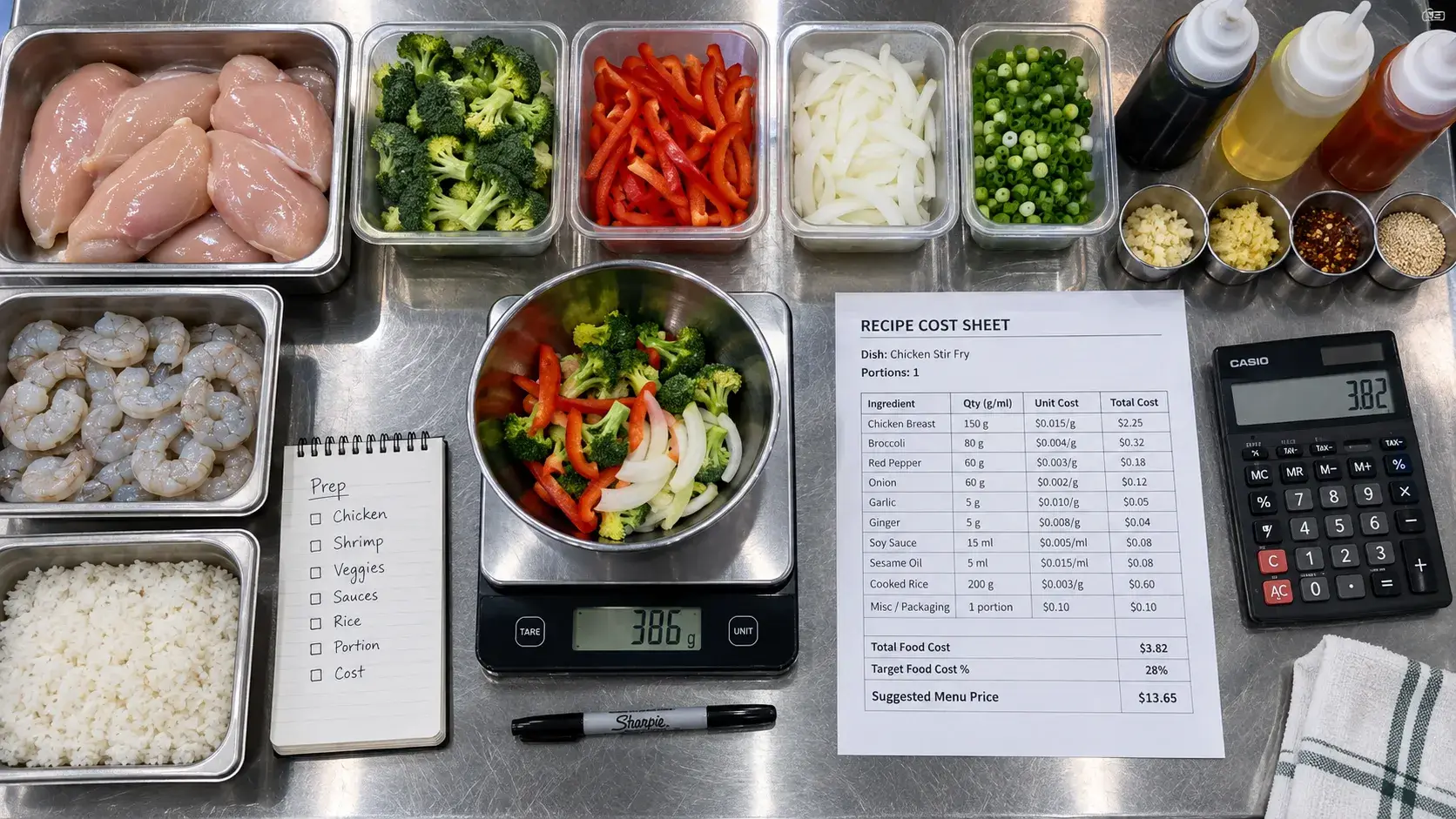
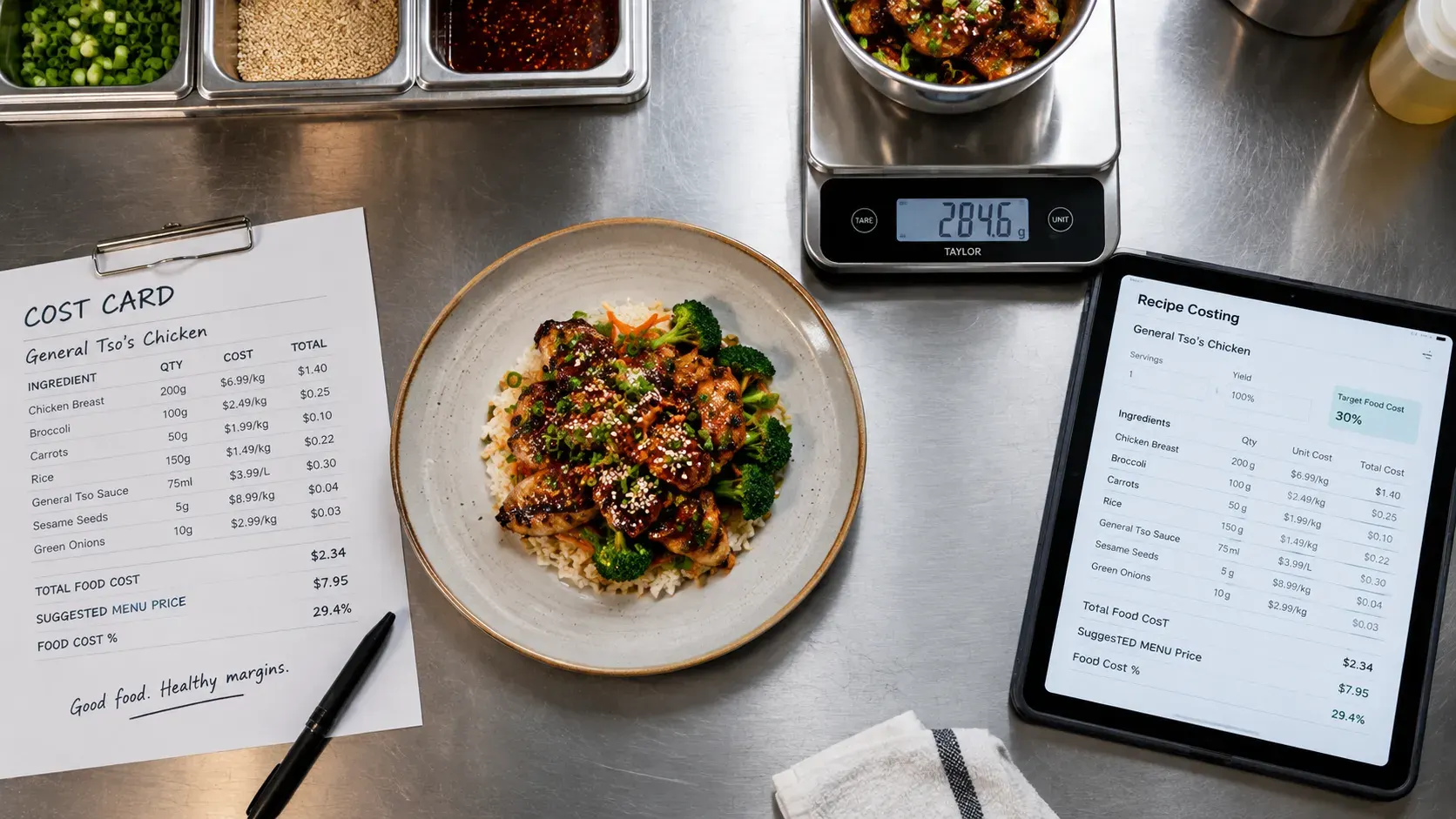
The psychology of profitability changes when you move from guessing to measuring. A standardized formula acts as an objective third party. It takes the "feeling" out of the menu. If the formula says a dish costs five dollars to produce and your target is thirty percent, the price must be sixteen dollars and sixty-seven cents. Period. No more debating if the neighborhood will "accept" it.
Breaking Perpetual Overwhelm
The complexity of tracking every sprig of parsley and ounce of oil is what stops most people. To break the cycle of overwhelm, you must separate the data entry from the analysis. You need a system where the costs update automatically. When the math is done for you, the psychological barrier to checking your margins disappears. You stop avoiding the numbers because they no longer hurt to look at.
"The operator who fears their food cost is usually the operator who has no system to control it."
Strategic Pricing vs. Reactionary Pricing
When you have financial clarity, you can play offense. Most restaurants play defense. They raise prices only when they are drowning. With a clear food costing formula, you can spot a margin squeeze before it hits your cash flow. This gives you the confidence to adjust portions, swap ingredients, or update prices with surgical precision.
FAQs
Why does calculating food cost feel so difficult?
It feels difficult because most operators try to do it manually using disorganized invoices. It is not the math that is hard. It is the data collection. Once you have a centralized system, the difficulty drops significantly.
How often should I update my plate costs?
Ideally, your costs should update as fast as your invoices. At a minimum, review your top ten highest-moving items every month. These items have the biggest impact on your overall profitability.
Does a food costing system replace my chef's intuition?
No. It provides your chef with better tools. A chef who knows exactly what a dish costs can be more creative with high-margin ingredients. It turns creativity into a profitable asset.
Take Control of Your Margins
Stop letting the mental weight of uncalculated costs keep you up at night. The transition from manual chaos to systematic clarity is the single biggest step toward a sustainable restaurant business. If you are tired of the guesswork and the constant feeling of being behind, it is time to implement a real system.
MiseUp is built by operators who understand the grind. We help you eliminate the friction between your kitchen and your bank account. Stop managing by feel and start leading with data.