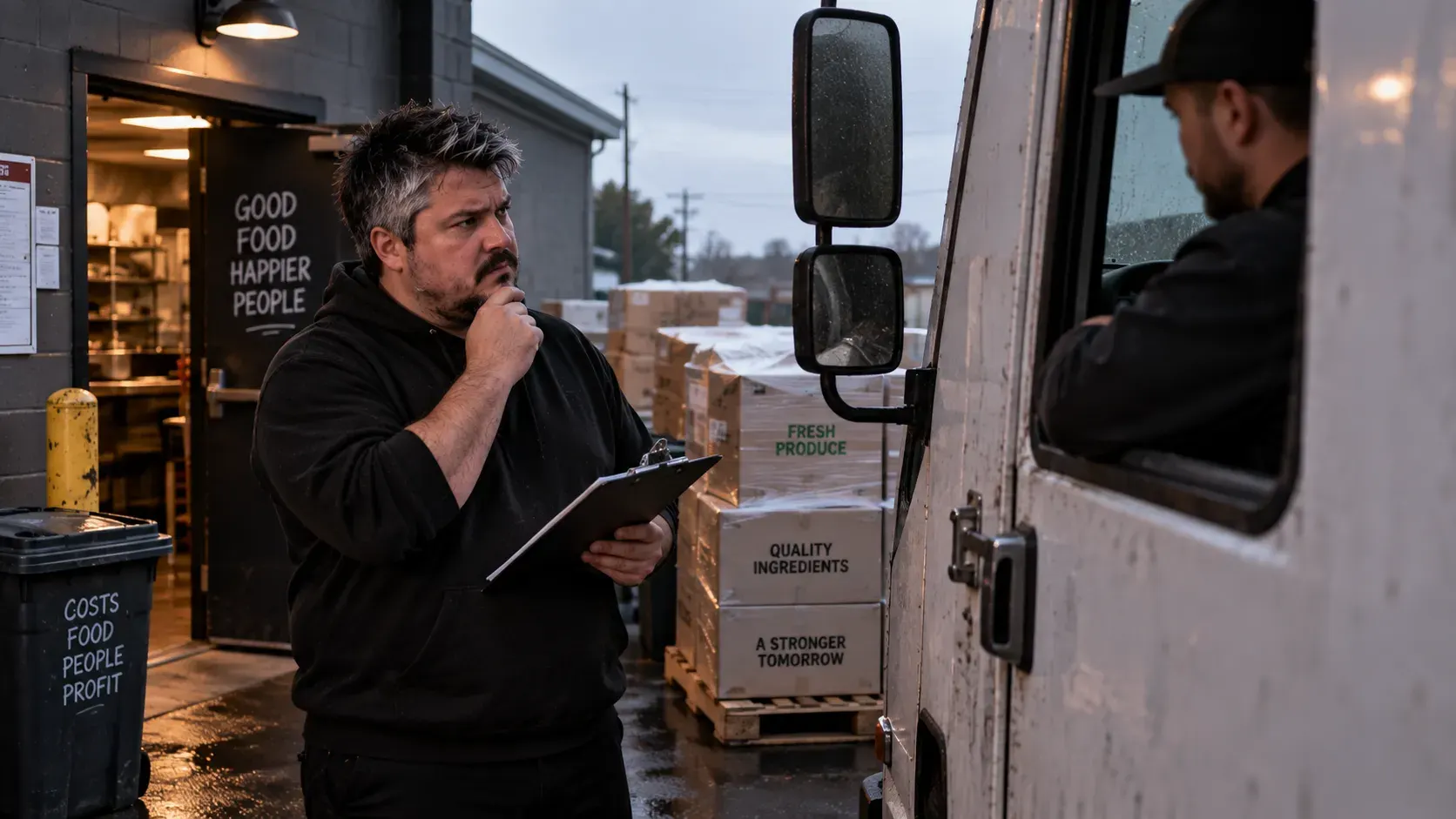
You’ve been buying from the same broadline rep for six years. You’ve been to his kid’s graduation; he’s comped your family’s meals. But while you’re shaking hands, your COGS are bleeding out through a thousand tiny paper cuts of "price creeping" that you’re too busy to notice.
Key Takeaways
- Vendor loyalty is often a psychological trap that benefits the supplier more than the operator.
- "Price creeping" is a systematic sales tactic designed to test the limits of your inattention.
- Relationships matter for emergency hot-drops, but they don't justify a 15% margin erosion.
- Audit-based procurement is the only way to ensure 1:1 value in the supply chain.
The Illusion of the "Strategic Partnership"
In the restaurant business, we value loyalty. We value the "guy" who brings us a case of heavy cream at 10:00 PM on a Saturday when the prep cook forgot to order it. That’s value, and it feels like a partnership. But don't confuse service for price protection.
Vendors are run by sales quotas and quarterly targets. Your sales rep, no matter how much they like you, is incentivized to increase "drop size" and "pocket margin." They aren't villains; they are just playing a different game than you are. While you are playing the game of survival, they are playing the game of growth.
The Anatomy of the Price Creep
Price creeping isn't a sudden spike in protein costs that makes the news. It’s the subtle, $0.12 increase on a gallon of fryer oil every two weeks. It’s the extra $2.00 on a case of napkins that you haven't bid out in eighteen months.
Why do they do it? Because they know you aren't looking. Most operators manage by "gut feel" or bank balance. If the bank account has money, the prices must be okay. This denial is a choice. You are choosing the comfort of a friendly relationship over the friction of a price audit.
"The most expensive relationship in your restaurant is the one you’re too afraid to audit."
Does Loyalty Give You Leverage?
There are two types of leverage in a vendor relationship: logistical and financial. Loyalty gives you logistical leverage. It gets the truck to turn around when they miss a line item. It gets you the first pick of a limited local produce run.
Loyalty rarely gives you financial leverage. In fact, "legacy" customers often pay more than new accounts. A new account has to be "won" with aggressive pricing. An old account just has to be "maintained." If you haven't audited your primary vendor in the last twelve months, you are likely subsidizing the low prices they are offering your competitor across the street.
How to Shake the Tree Without Burning the Bridge
- The Monthly Spot-Check: Pick 10 high-volume items. Compare their current price against the market or a secondary vendor once a month.
- Request a "Price Review": Every six months, ask your rep for a full contract audit. Let them know you’re looking at the numbers. The mere act of looking often stops the "creep."
- Maintain a Secondary: Use a secondary vendor for 10-15% of your spend. It keeps your primary rep honest and ensures you have a backup plan.
Frequently Asked Questions
Should I switch vendors every time I find a lower price?
No. Constant switching creates operational chaos. Use price discrepancies as a tool for negotiation with your current vendor first. Only walk away if they refuse to align with the market.
Is a "Price Lock" ever really locked?
Rarely. Read the fine print. Most contracts allow for "market adjustments." If fuel costs or avian flu spikes, you’re paying more regardless of your "lock."
Can MiseUp help me identify these price creeps?
Absolutely. MiseUp focuses on the systems and behaviors that prevent margin erosion. We help operators move from "management by gut" to "management by data."
Stop Paying the "Friendship Tax"
It’s time to stop being a "good customer" and start being a profitable operator. Your vendors are your suppliers, not your stakeholders. If they aren't providing verified value for every dollar you spend, the relationship isn't a partnership—it’s a liability.
At MiseUp, we don't just look at menus; we look at the psychological blind spots that cost you money. Don't let your loyalty become your biggest expense.